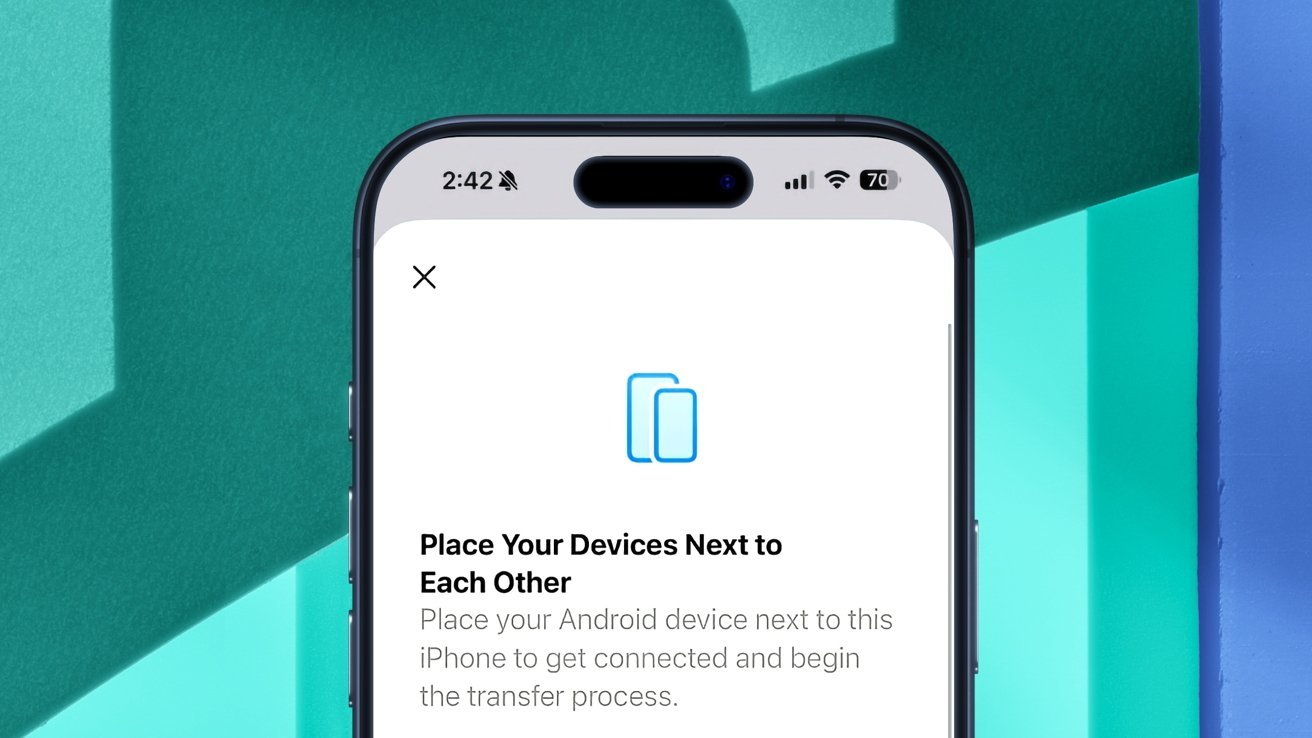
Apple has released iOS 26.3 to the public, with the changes including a simplified way to transfer to an Android device.
Following another beta testing cycle, Apple has released its update for iOS 26.3 to the public. The update follows after just one beta build was tested by Apple, with testers using the first build throughout the end-of-year holiday period.
While iOS 26.2 brought many new features to the operating system, iOS 26.3 brings somewhat fewer. This is fairly common for Apple, as the main features are released as part of the initial release in the fall, with fewer features added down the road.
Android transfers
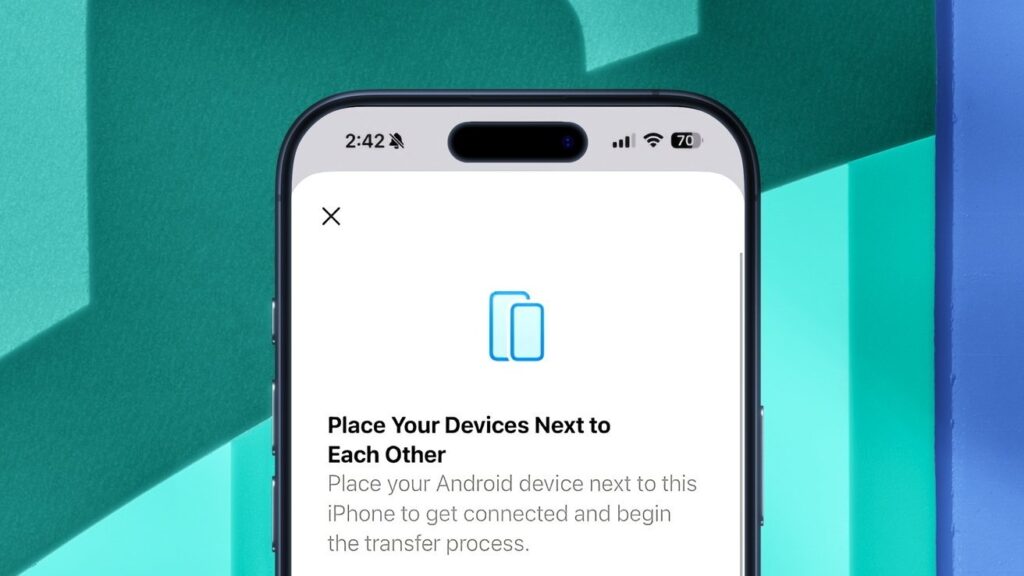
Typically, switchers have a lot to do to get their data from one device to the other. However, as Google and Apple have agreed to make switching to the other platform easier, Apple has caught up by adding a feature to let iPhone users more easily transfer over to Android.
A new option in Settings titled Transfer to Android will ask the user to place their iPhone next to the target Android device. After connecting, it will start the transfer process, which can include apps, photos, messages, and the phone number itself.
Health data, devices paired with Bluetooth, and protected items cannot be transferred over.
Notification forwarding for third-party wearables
Under an iOS 26.1 beta code reference, there was the expectation that Apple would make the iPhone work better with third-party smart watch producers. This became more of a reality in the iOS 26.3 betas.
While it did appear in the betas, it didn’t graduate to the public release this time around.
The option, under Notifications within Settings, would control if notifications can be displayed on a non-Apple device. Setting up the option would disable Apple Watch notifications, as it would work with only “one accessory at a time.”
Limited precise locations for C-series modems
Found in the betas and arriving in the release, users of iPhones with C1 and C1X modems benefit from a new feature that will help obfuscate user location data from carriers.
This isn’t a feature that will be beneficial to all users, as it will be supported by only a few carriers at the start. More carriers are expected to adopt the function in the future.
How to update to iOS 26.3
A manual update to iOS 26.3 is available by opening the Settings app, then selecting General, followed by Software Update. If the update is available to you, it can be installed from here.
This is not needed if you have enabled Automatic Updates, available from the same Software Update options.