Introduction
Private Blog Networks (PBNs) can be a powerful tool for improving search engine rankings when used strategically and ethically. However, misuse or poor execution can lead to penalties from search engines. Building a PBN that delivers results without triggering red flags requires careful planning, diversification, and a focus on quality.
1. Understand What a PBN Is
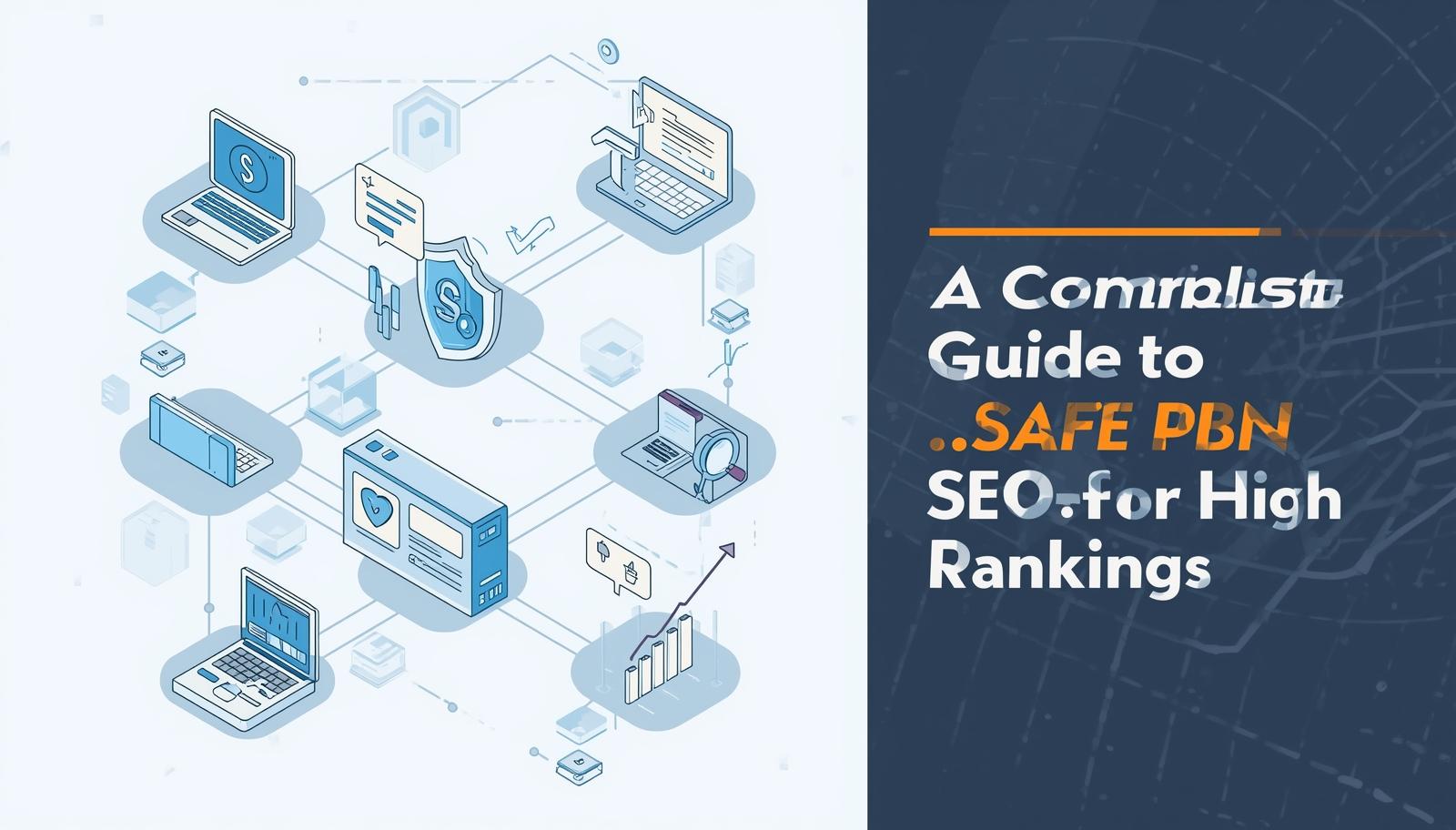
A Private Blog Network is a collection of authoritative websites used to build backlinks to a main site, boosting its SEO performance. Each site in the network should appear independent, with unique content, hosting, and link profiles.
2. Choose High-Quality Domains
Selecting the right expired or auctioned domains is the foundation of a strong PBN.
Key factors to consider:
- Domain Authority (DA) and Trust Flow (TF) above average
- Clean backlink profile with no spammy or irrelevant links
- Relevant niche to the target website
- Indexed in Google (avoid deindexed domains)
- Natural anchor text distribution
Use tools like Ahrefs, Majestic, or Moz to analyze domain metrics before purchase.
3. Diversify Hosting and IPs
Hosting all PBN sites on the same server or IP address is a major footprint that search engines can detect.
Best practices:
- Use different hosting providers or cloud services
- Employ unique IP addresses and name servers
- Avoid patterns in WHOIS data (use privacy protection)
4. Create Unique, High-Quality Content
Each PBN site should provide genuine value to readers. Avoid spun or duplicate content.
Content guidelines:
- Write original, niche-relevant articles
- Include images, videos, and internal links
- Maintain consistent posting schedules
- Avoid over-optimization of anchor texts
5. Build Natural-Looking Link Profiles
Links from PBNs should blend naturally with other backlinks.
Tips for natural link building:
- Mix dofollow and nofollow links
- Use branded, generic, and long-tail anchors
- Link to authority sites as well as your money site
- Avoid linking to multiple sites from the same PBN post
6. Maintain and Update PBN Sites
Inactive or outdated PBN sites can lose authority and raise suspicion.
Maintenance checklist:
- Regularly update plugins and themes
- Post fresh content periodically
- Monitor backlinks and traffic
- Keep design and layout professional
7. Avoid Common PBN Mistakes
Mistakes that lead to penalties:
- Using low-quality or spammy domains
- Overusing exact-match anchors
- Interlinking PBN sites
- Leaving footprints in hosting or design
- Neglecting site updates
8. Combine PBNs with Other SEO Strategies
Relying solely on PBNs is risky. Combine them with:
- Guest posting
- Niche edits
- Social signals
- Content marketing
- Local citations
Conclusion
Building a powerful PBN without getting penalized requires a balance of quality, diversity, and authenticity. Focus on creating real, valuable websites that could stand alone as legitimate resources. When executed correctly, a well-structured PBN can significantly enhance search visibility while minimizing risk.