Introduction
In highly competitive niches, achieving top search engine rankings requires more than just keyword optimization and quality content. One of the most powerful strategies for improving visibility and authority is building contextual backlinks. These are links placed naturally within relevant content, providing both SEO value and user trust. Understanding how contextual backlinks work and why they matter can make a significant difference in outperforming competitors.
1. What Are Contextual Backlinks?
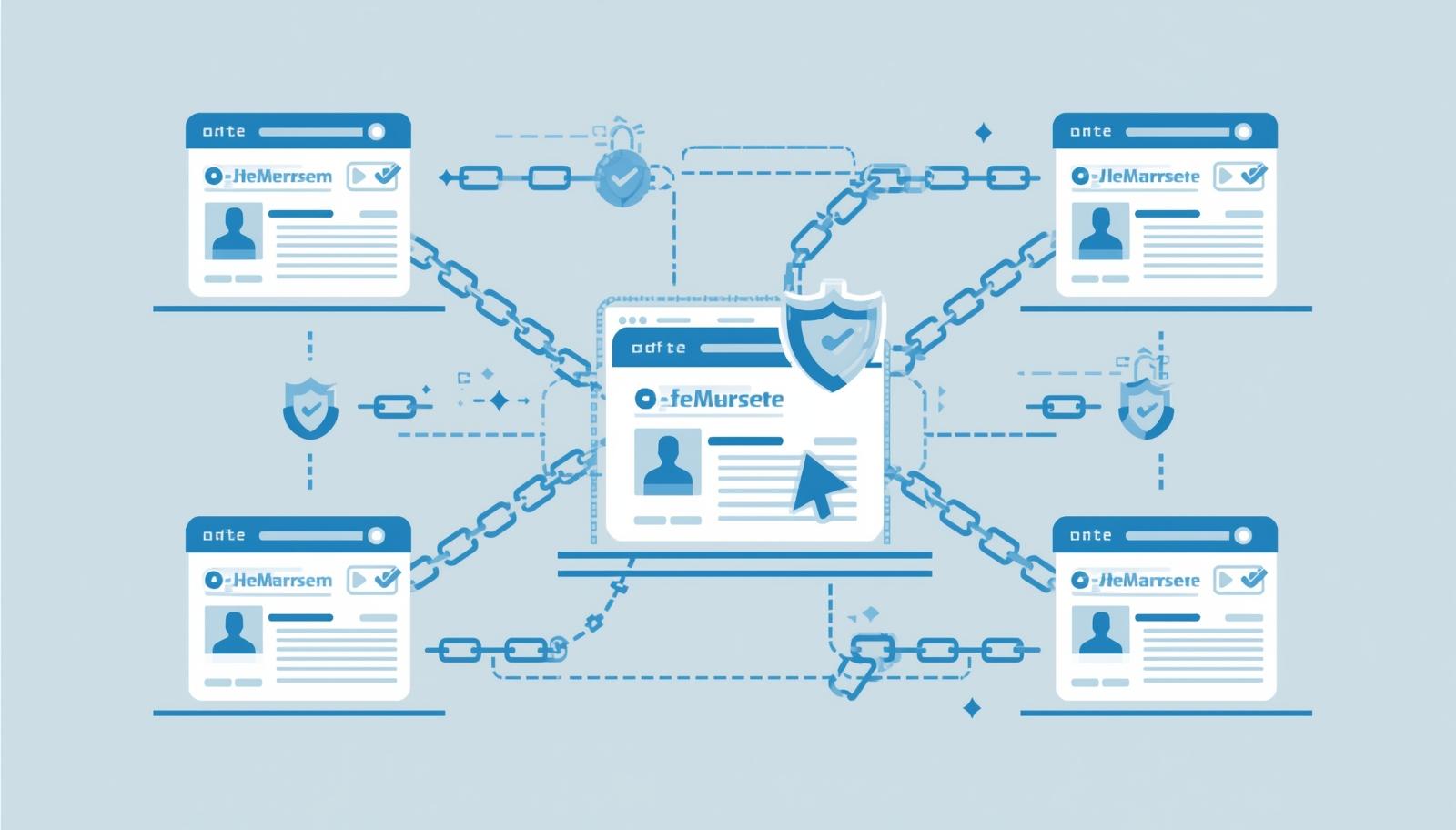
Contextual backlinks are hyperlinks embedded within the body of relevant content, such as blog posts, articles, or guides. Unlike sidebar or footer links, contextual backlinks appear naturally within text, surrounded by related information.
Example: A link to a digital marketing tool within an article about SEO strategies.
Because they are contextually relevant, search engines view them as more credible and valuable.
2. Why Context Matters in Backlinks
Search engines like Google prioritize relevance and authority. When a backlink appears in content that aligns with the linked page’s topic, it signals to search algorithms that the link is trustworthy and contextually appropriate.
Benefits of contextual relevance:
- Strengthens topical authority.
- Improves user experience by offering valuable resources.
- Reduces the risk of being flagged as spammy or manipulative.
Contextual links are not just about quantity—they’re about meaningful placement.
3. How Contextual Backlinks Boost Rankings
Contextual backlinks influence rankings through several key mechanisms:
- Authority transfer: Links from authoritative sites pass “link equity,” boosting the credibility of the linked page.
- Relevance signals: When content around the link matches the target topic, it reinforces keyword relevance.
- Improved indexing: Search engines crawl contextual links more frequently, leading to faster indexing.
- User engagement: Readers are more likely to click on relevant links, increasing traffic and dwell time—both positive ranking signals.
4. Building Contextual Backlinks Strategically
To gain maximum SEO benefit, contextual backlinks must be earned strategically.
Effective methods include:
- Guest posting: Contribute high-quality articles to reputable websites in the same niche.
- Content collaborations: Partner with influencers or brands for co-authored content.
- Resource link building: Create valuable guides or tools that naturally attract backlinks.
- Digital PR: Earn mentions in industry publications or news outlets.
Each link should appear naturally within content that genuinely relates to the target page.
5. Quality Over Quantity
In competitive niches, one high-quality contextual backlink can outweigh dozens of low-quality ones.
Focus on:
- Domain authority and topical relevance of the linking site.
- Natural anchor text that fits seamlessly into the content.
- Avoiding over-optimization or repetitive keyword anchors.
Search engines reward authenticity, so prioritize organic link placements over artificial link schemes.
6. Measuring the Impact of Contextual Backlinks
Tracking performance helps refine backlink strategies.
Key metrics to monitor:
- Organic traffic growth.
- Keyword ranking improvements.
- Domain authority or domain rating changes.
- Referral traffic from linked pages.
Analyzing these metrics reveals which backlinks deliver the most SEO value and where to focus future efforts.
Conclusion
In competitive niches, contextual backlinks are a cornerstone of effective SEO. They enhance authority, relevance, and user trust—three pillars of strong search performance. By focusing on quality, context, and authenticity, businesses can build a backlink profile that not only improves rankings but also sustains long-term visibility in search results.