Introduction
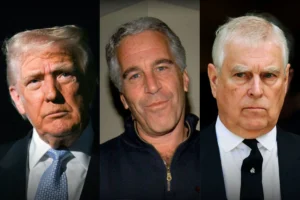
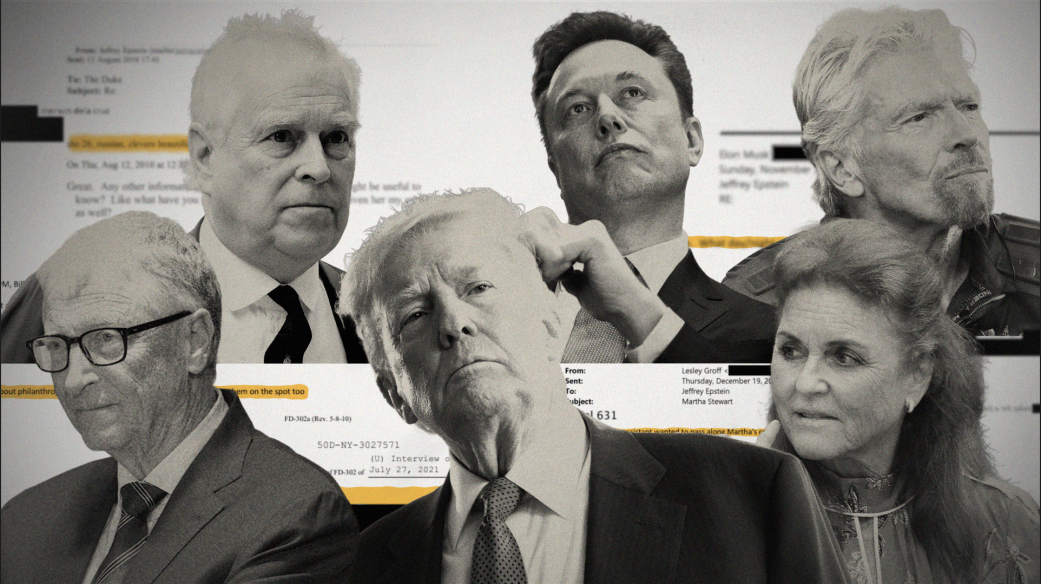
The release of new Epstein-related court documents in 2026 has once again captured global attention. Years after Jeffrey Epstein’s arrest and death, the case continues to unfold through unsealed legal filings, testimonies, and investigative disclosures. Each new wave of documents reignites debate about powerful networks, elite connections, and institutional accountability.
The biggest question on everyone’s mind remains: Which high-profile figures are mentioned in the Epstein files — and what does that actually mean?
In this article, we break down what the 2026 document releases reveal, clarify common misunderstandings, and explore the political and social implications of these ongoing disclosures.
A Brief Background on the Epstein Case
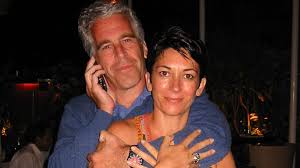
Jeffrey Epstein was a financier accused of running a large-scale sex trafficking operation involving underage girls. He was arrested in 2019 on federal charges but died in custody before trial. His associate, Ghislaine Maxwell, was later convicted for her role in the trafficking network.
However, the criminal case against Epstein opened a much larger investigation into his social, financial, and political connections. Over decades, he built relationships with influential figures across politics, business, academia, and entertainment.
The continued release of court documents stems largely from civil lawsuits filed by victims and transparency rulings by courts ordering previously sealed records to be made public.
What Are the “Epstein Files 2026”?
The term “Epstein Files 2026” refers to newly unsealed court records and related documents that were previously confidential. These may include:
- Witness depositions
- Email exchanges
- Flight logs
- Contact books
- Legal motions
- Interview transcripts
It is important to emphasize:
Being mentioned in court documents does not automatically imply criminal wrongdoing.
Many individuals appear in legal records simply because they were:
- Referenced in testimony
- Part of social circles
- Listed in contact databases
- Interviewed as witnesses
Context matters significantly when interpreting such documents.
Categories of High-Profile Figures Mentioned
Rather than focusing on speculation, it is more accurate to understand the types of high-profile individuals whose names have appeared in Epstein-related documents over time.
1. Political Figures
Various current and former political leaders have been referenced in past document releases. These mentions often relate to:
- Social events
- Meetings
- Public appearances
- Travel logs
Because Epstein moved within elite political circles, it is not surprising that some political figures appear in testimonies. However, the legal meaning of these mentions varies widely.
The political impact tends to be immediate, especially during election cycles, as opponents use document mentions to question credibility or ethics.
2. Business Executives and Billionaires
Epstein cultivated relationships with wealthy investors and corporate leaders. Some business figures appear in documents connected to:
- Financial dealings
- Philanthropic donations
- Advisory roles
- Social gatherings
In most cases, document mentions reflect professional or social interactions. However, reputational risk can still arise for companies and executives whose names appear in controversial legal records.
Public companies are especially sensitive to investor perception, which makes even indirect mentions significant in the business world.
3. Academics and Institutions
Over the years, reports revealed that Epstein donated money to universities and research institutions. The 2026 document releases may include references to:
- Meetings with academics
- Research funding discussions
- Institutional communications
Some universities have already conducted internal reviews in response to earlier disclosures. The renewed document release continues to fuel discussions about ethical standards in accepting donations.
4. International Figures
Epstein’s network was not limited to the United States. International political figures, members of royal families, and foreign business leaders have previously been mentioned in related documents.
Because of this global scope, the Epstein files remain an international issue, affecting public discourse beyond American borders.
What the Documents Do — and Do Not — Prove
One of the biggest challenges in understanding the Epstein files is separating legal fact from public assumption.
What the Documents Show:
- Names mentioned in testimony
- Details of social connections
- Travel or meeting records
- Statements made under oath
What the Documents Do NOT Automatically Show:
- Criminal guilt
- Direct involvement in illegal acts
- Formal charges
- Verified participation in wrongdoing
Civil lawsuits often include broad questioning, meaning individuals can be named simply because a witness referenced them in conversation.
This distinction is crucial for responsible reporting.
Why Public Interest Remains High
The Epstein case continues to attract attention for several reasons:
1. The Mystery Surrounding Epstein’s Death
Because Epstein died before trial, many questions remain unanswered. This has fueled public skepticism and conspiracy theories.
2. The Power and Influence Factor
When wealthy and influential individuals appear in legal documents tied to criminal allegations, it naturally generates widespread interest.
The case represents a broader debate about whether powerful people are held accountable in the same way as ordinary citizens.
3. The Transparency Movement
In recent years, courts have increasingly favored transparency in high-profile cases. The 2026 document release reflects ongoing efforts to make legal records accessible to the public.
However, transparency also comes with challenges — including misinterpretation and sensational headlines.
Media Coverage and Social Media Impact
The Epstein files trend quickly online whenever new documents are released. Social media platforms often amplify:
- Select quotes
- Partial excerpts
- Out-of-context statements
This rapid sharing can create confusion. A single line from a deposition can go viral without the surrounding explanation.
Responsible readers should consult credible news sources and legal summaries before drawing conclusions.
Political and Social Fallout
Even without new criminal charges, document releases can have major consequences.
Political Fallout
- Campaign narratives may shift.
- Opponents may raise ethical questions.
- Public trust may fluctuate.
Business Fallout
- Companies may issue public statements.
- Boards may conduct internal reviews.
- Investors may demand clarification.
Reputational damage can occur even when legal wrongdoing is not established.
The Bigger Picture: Accountability and Elite Networks
The Epstein files represent more than a list of names. They highlight:
- The interconnected nature of elite social circles
- The blurred line between social and professional relationships
- The importance of ethical boundaries
The broader discussion centers on whether institutions — political, financial, and academic — have adequate safeguards against abuse of power.
Conclusion
The “Epstein Files 2026” have once again placed high-profile figures under public scrutiny. While various political leaders, business executives, academics, and international figures may be mentioned in legal documents, it is essential to interpret these references carefully and responsibly.
Being named in court filings does not automatically equal criminal involvement. However, the reputational, political, and social consequences can be significant.
As additional documents continue to emerge, the global conversation about transparency, accountability, and elite influence is unlikely to fade anytime soon.
The Epstein case remains one of the most complex and controversial scandals of modern times — not only because of the crimes involved, but because of the powerful networks it exposed.