Introduction
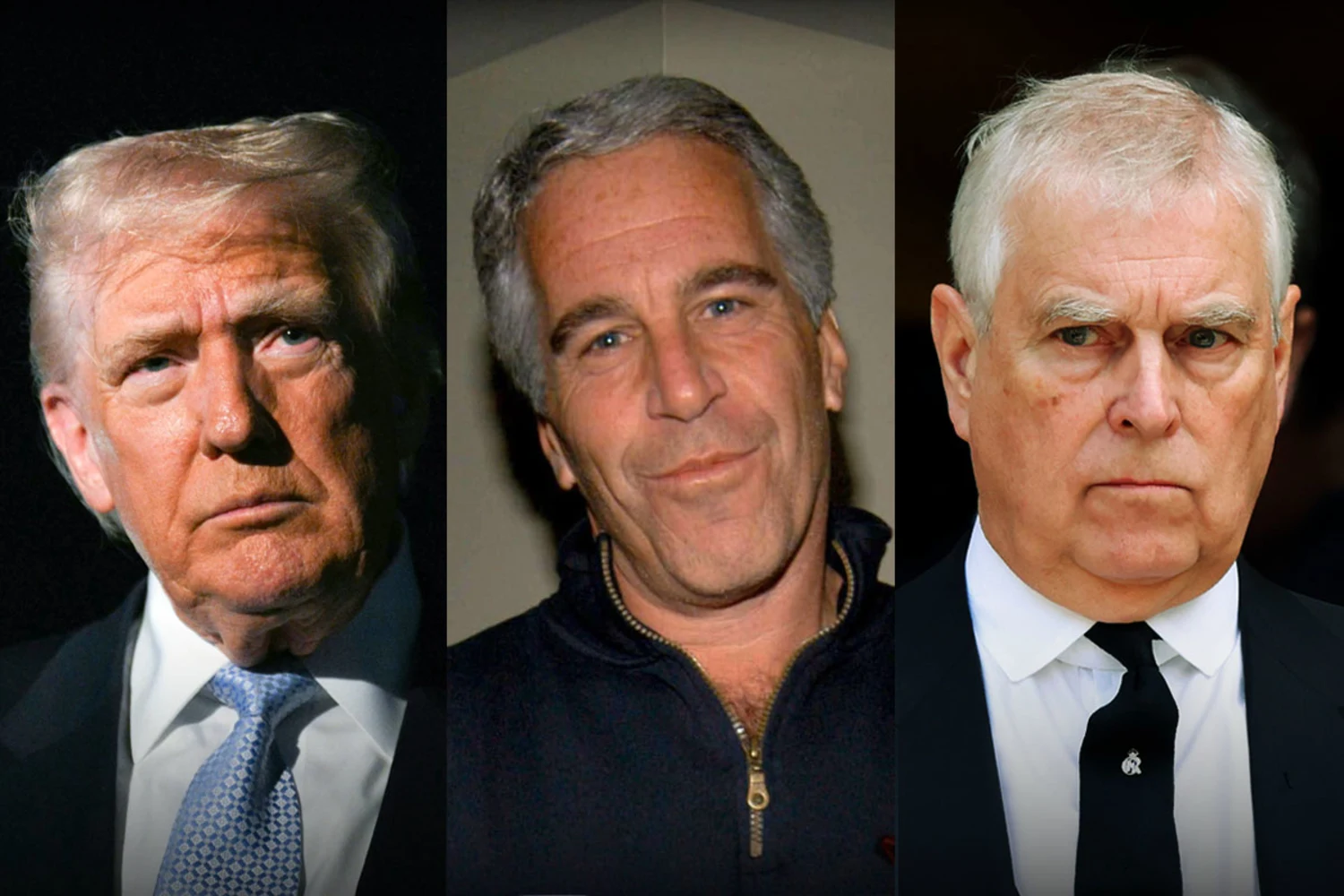
The release of newly unsealed court documents related to Jeffrey Epstein has once again placed powerful names under public scrutiny. Among the most discussed figures is former U.S. President Donald Trump. As the Epstein case continues to unfold through legal filings and document disclosures, questions about past associations, social connections, and political implications have resurfaced.
But what do the newly released documents actually reveal? Do they contain new allegations? Or are they simply revisiting old associations already known to the public?
In this article, we break down the facts, the context, and the political impact surrounding Donald Trump’s name in the Epstein files.
Understanding the Epstein Case
Jeffrey Epstein was a financier charged in 2019 with sex trafficking of minors. Before he could stand trial, he died in federal custody, with authorities ruling his death a suicide. His longtime associate, Ghislaine Maxwell, was later convicted on sex trafficking-related charges.
Epstein’s extensive network included politicians, business leaders, academics, and celebrities. Because of this, the unsealing of court records has drawn global attention.
It is important to clarify from the outset:
Being mentioned in court documents does not automatically imply wrongdoing.
Many individuals appear in legal filings simply because they were referenced in testimony, contact books, or flight logs.
Donald Trump and Jeffrey Epstein: A Historical Connection
Donald Trump and Jeffrey Epstein were known to have moved in some of the same elite social circles during the 1990s and early 2000s. Public records and media archives show that:
- Trump and Epstein were photographed together at social events.
- Both were prominent figures in Palm Beach and New York high society.
- Trump once described Epstein as someone he knew socially in a 2002 interview.
However, Trump has also stated publicly that he distanced himself from Epstein years before Epstein’s 2019 arrest. According to Trump, he banned Epstein from his Mar-a-Lago club after a reported incident, though details of that claim have varied in media accounts.
What Do the Newly Released Documents Show?
The recent unsealed documents primarily consist of:
- Depositions
- Witness testimonies
- Legal motions from civil lawsuits
In these documents, Trump’s name appears in certain contexts, mostly relating to social interactions or mentions in testimony.
Key Points to Understand:
- No new criminal charges against Trump have emerged from these document releases.
- Mentions in legal documents often reflect social associations, not allegations of participation in crimes.
- Court documents sometimes include references to individuals who were interviewed, mentioned by witnesses, or part of broader investigations.
The distinction between being mentioned and being accused is critical.
Political Reactions and Public Debate
Because Donald Trump is one of the most polarizing political figures in modern U.S. history, any mention of his name in high-profile legal documents naturally generates intense debate.
1. Supporters’ Perspective
Supporters argue that:
- Trump cooperated with authorities in past investigations.
- He distanced himself from Epstein before the 2019 charges.
- No evidence has surfaced showing involvement in Epstein’s criminal activities.
They view the resurfacing of his name as politically motivated or amplified by media narratives.
2. Critics’ Perspective
Critics argue that:
- Any association with Epstein warrants scrutiny.
- Questions remain about how deeply Epstein was embedded within elite networks.
- Transparency is necessary to restore public trust.
This divide reflects broader political polarization in the United States.
The Media’s Role in Shaping the Narrative
Media coverage of the Epstein files has ranged from investigative journalism to sensational headlines. Social media has amplified certain document excerpts, sometimes without full context.
This has led to:
- Viral speculation
- Misinterpretation of legal language
- Confusion between allegations and confirmed findings
In high-profile cases like this, headlines often spread faster than detailed legal analysis.
Readers should carefully distinguish between:
- Verified court findings
- Testimony claims
- Social mentions
- Online rumors
Legal Context: Why Names Appear in Court Documents
When courts unseal documents, they often release raw legal materials that include:
- Transcripts of interviews
- Names mentioned during questioning
- Contact lists
- Flight records
The presence of a name does not mean:
- The individual committed a crime
- The individual was charged
- The individual was even aware of illegal activities
Legal experts frequently remind the public that context matters. Civil lawsuits, in particular, have a lower standard of proof than criminal trials.
Broader Implications for Political Accountability
The Epstein case has become larger than any single individual. It represents a broader conversation about power, influence, and accountability.
1. Elite Networks Under Scrutiny
The case has exposed how wealthy and powerful individuals often share social circles. These overlapping networks can create reputational risks even when no wrongdoing is proven.
2. Public Distrust of Institutions
Many Americans feel frustrated by what they perceive as unequal justice systems. Epstein’s earlier plea deal in 2008, which was widely criticized as lenient, fueled skepticism.
As more documents are released, public demand for transparency continues to grow.
3. Impact on Elections and Campaigns
With Donald Trump remaining a major political figure, any controversy involving his name can influence:
- Campaign messaging
- Media narratives
- Voter perceptions
Even without new charges, political consequences can emerge from renewed public attention.
What the Documents Do NOT Show
To maintain clarity, it is equally important to outline what the newly released documents do not demonstrate:
- They do not contain new criminal indictments against Trump.
- They do not establish evidence of direct involvement in Epstein’s trafficking crimes.
- They do not conclude legal guilt.
In high-profile cases, public perception can sometimes outpace verified legal findings.
Why the Story Continues to Capture Attention
The Epstein case remains one of the most controversial scandals of the 21st century because it touches on:
- Wealth
- Politics
- Secrecy
- Allegations of systemic failure
When prominent figures are even loosely connected to such a case, public interest intensifies.
The combination of mystery, tragedy, and unanswered questions ensures that document releases will continue to attract global coverage.
Conclusion
The newly released Epstein documents have once again placed Donald Trump’s past social connections under the spotlight. While his name appears in certain court filings, no new criminal charges have emerged from these releases.
The broader story is less about a single individual and more about transparency, elite networks, and public trust. As documents continue to be unsealed, careful analysis — rather than sensationalism — is essential.
In a time of heightened political division, facts and legal context matter more than ever. The Epstein case serves as a reminder that accountability, clarity, and responsible reporting are crucial when powerful names are involved.