Introduction
Private Blog Networks (PBNs) remain one of the most debated strategies in SEO. When built and managed correctly, they can deliver powerful ranking boosts. However, poor execution can lead to severe penalties. This guide outlines how to build and maintain a safe, effective PBN that enhances search visibility while minimizing risk.
1. Understanding PBN SEO
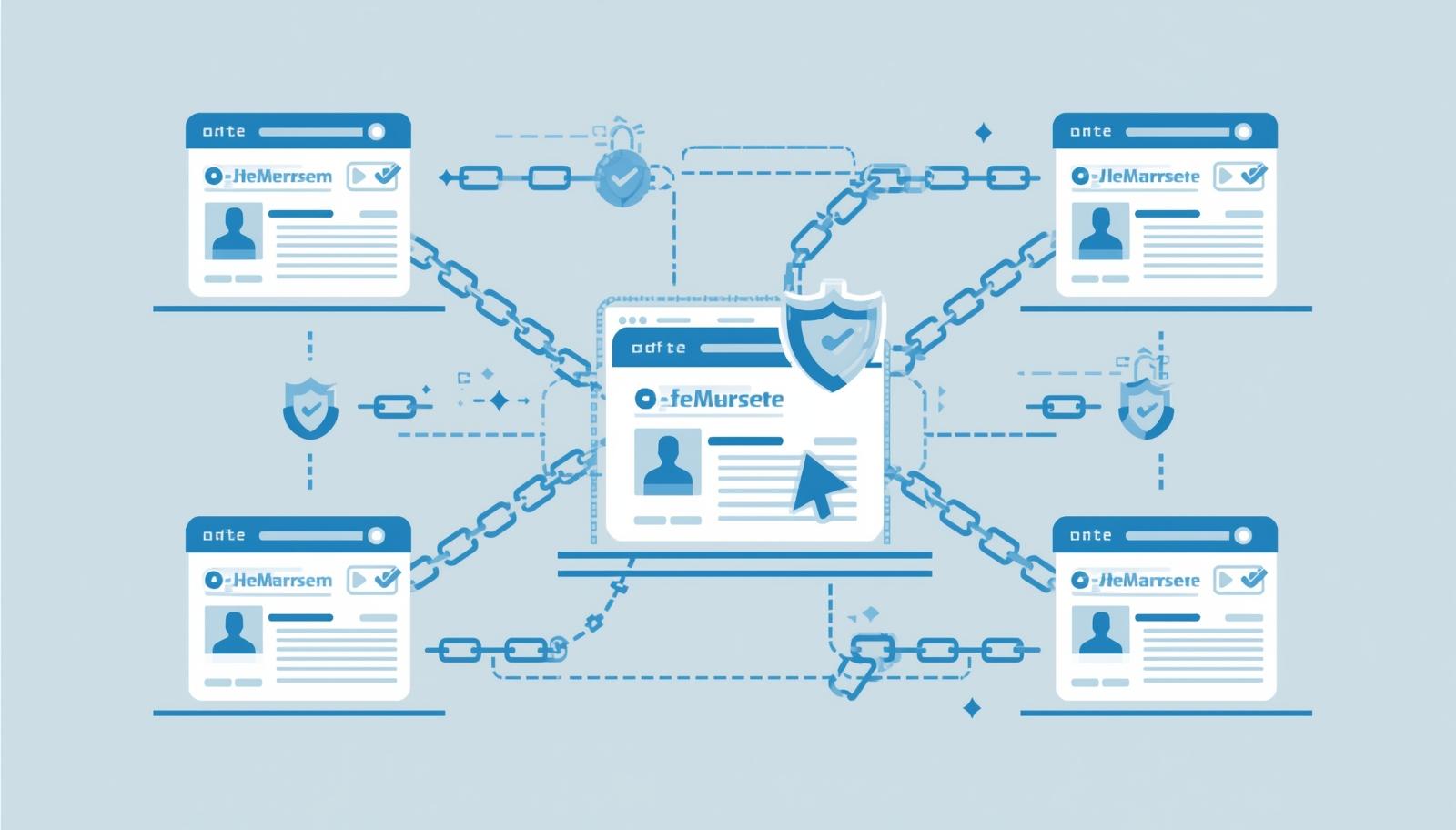
A Private Blog Network is a group of authoritative websites used to create backlinks to a target site. The goal is to transfer link equity and improve rankings. The key to safety lies in making each PBN site appear independent, valuable, and natural.
2. Selecting the Right Domains
The foundation of a strong PBN is high-quality domains with clean histories.
Checklist for domain selection:
- Strong metrics: Domain Authority (DA) 20+, Trust Flow (TF) 15+
- Clean backlink profile: No spammy or irrelevant links
- Relevant niche: Domain should align with the target site’s topic
- Indexed in Google: Avoid deindexed or penalized domains
- Natural anchor text: Balanced and diverse link profile
Use tools like Ahrefs, Majestic, or Moz to verify domain quality before purchase.
3. Hosting and IP Diversification
Hosting all PBN sites on the same IP or server creates a detectable footprint.
Best practices:
- Use different hosting providers or cloud services
- Employ unique IP addresses and name servers
- Enable WHOIS privacy protection
- Avoid using the same CMS themes or plugins across sites
4. Building Unique, Valuable Content
Each PBN site should look like a legitimate, standalone website.
Content guidelines:
- Write original, niche-relevant articles
- Include images, infographics, and videos
- Maintain consistent posting frequency
- Avoid keyword stuffing and spun content
- Use natural internal and external linking
5. Structuring Links Safely
The way links are placed and distributed determines how natural the PBN appears.
Safe linking strategies:
- Use a mix of branded, generic, and long-tail anchors
- Limit outbound links per post
- Link to authority sites as well as the target site
- Avoid linking multiple PBN sites to each other
- Maintain a balanced ratio of dofollow and nofollow links
6. Maintaining and Updating PBN Sites
Neglected PBNs lose authority and can raise red flags.
Maintenance checklist:
- Update plugins, themes, and security settings
- Post fresh content regularly
- Monitor traffic and backlinks
- Keep site design modern and user-friendly
- Replace broken links promptly
7. Avoiding Common PBN Mistakes
Critical errors to avoid:
- Buying cheap, spammy domains
- Using identical hosting or IPs
- Over-optimizing anchor texts
- Interlinking PBN sites
- Ignoring site updates or security
8. Combining PBNs with Other SEO Strategies
A safe SEO strategy doesn’t rely solely on PBNs. Combine them with:
- Guest posting
- Niche edits
- Social media signals
- Local citations
- Content marketing campaigns
9. Tracking and Measuring Results
Monitor the performance of PBN links to ensure they deliver value.
Key metrics to track:
- Keyword ranking improvements
- Organic traffic growth
- Domain authority changes
- Backlink indexation rates
Use tools like Google Search Console, Ahrefs, or SEMrush for ongoing analysis.
Conclusion
Safe PBN SEO is about quality, diversity, and authenticity. By focusing on clean domains, unique content, and natural link patterns, it’s possible to harness the power of PBNs without triggering penalties. When integrated with broader SEO strategies, a well-managed PBN can significantly boost rankings and authority.