The Epstein scandal remains one of the most controversial and complex cases of the modern era. While Jeffrey Epstein was the central figure, his longtime associate Ghislaine Maxwell and a wide circle of powerful individuals brought global attention to what many describe as an elite social network operating behind closed doors.
Understanding this network requires separating verified facts from speculation — and focusing on what court proceedings and investigations have actually revealed.
The Role of Ghislaine Maxwell
Ghislaine Maxwell, a British socialite and the daughter of media tycoon Robert Maxwell, played a significant role in Epstein’s life and operations. Prosecutors described her as a key associate who helped recruit and groom underage girls for Epstein.
In 2021, Maxwell was convicted on federal charges related to sex trafficking and conspiracy. Her conviction marked one of the most significant legal outcomes of the Epstein investigation after his death in 2019. Unlike Epstein, Maxwell faced trial, and her case revealed detailed testimony about how the operation allegedly functioned.
Court proceedings painted a picture of coordination, manipulation, and abuse of trust. Her conviction reinforced the seriousness of the allegations surrounding the network.
The Elite Social Circle
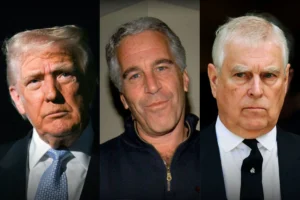
One of the reasons the Epstein case continues to generate attention is the sheer number of influential individuals who crossed paths with him over the years. Epstein cultivated relationships with:
- Politicians
- Billionaires
- Business executives
- Academics
- Celebrities
- Members of royal families
He attended exclusive events, donated to institutions, and traveled in high-profile social circles. However, it is critical to note that appearing in flight logs, contact books, or social photographs does not automatically imply involvement in criminal activity.
Many individuals who were socially connected to Epstein have denied knowledge of his crimes, and in most cases, no criminal charges have been filed against them.
Power, Access, and Influence
The Epstein network raised deeper questions about how wealth and influence can create access to powerful spaces. Epstein managed to build relationships across industries — finance, academia, politics, and entertainment — despite earlier legal troubles.
Critics argue that systemic failures allowed him to avoid full accountability for years. His controversial 2008 plea deal, widely viewed as lenient, fueled public frustration and skepticism about equal justice.
The network became symbolic of broader concerns:
How do elite circles operate?
Are powerful individuals held to the same standards as everyone else?
What safeguards exist to prevent abuse of influence?
Transparency and Ongoing Document Releases
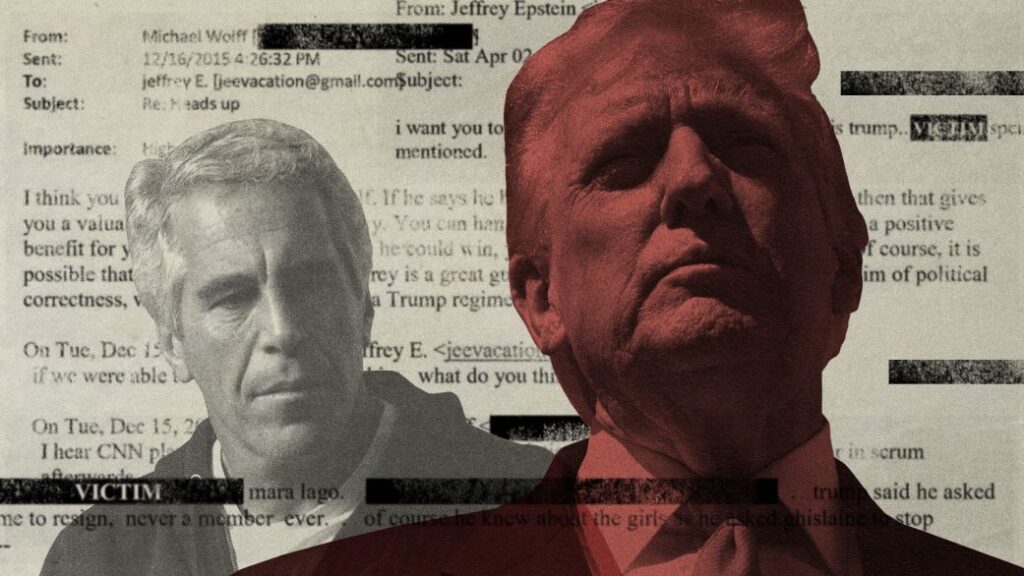
Since Epstein’s death, courts have continued unsealing documents connected to civil lawsuits. These files often contain names mentioned in testimony, but context is crucial. Being referenced in legal documents does not automatically mean criminal wrongdoing.
The continued release of records reflects growing demands for transparency. Victims have pushed for accountability, while the public seeks clarity about how such a network operated for so long.
Conclusion
From Ghislaine Maxwell’s conviction to the exposure of Epstein’s elite connections, the scandal has reshaped conversations about power, accountability, and justice. While many questions remain, one thing is clear: the Epstein network was not just about one man — it revealed a system of influence that continues to face scrutiny today.
As investigations and document disclosures continue, careful analysis and responsible reporting remain essential in understanding the full scope of the case.